
AI Visibility & Digital PR
You went on a podcast.
Let's make your name
the answer.
When a buyer asks ChatGPT, Perplexity, Claude or Google's AI who leads your category, the reply is built from the sources those systems trust. We make sure your name, your brand, and your thinking are part of that answer.
The shift
Your buyer's research tool changed. Most brands haven't caught up.
Senior buyers no longer work through ten ranked links. They ask an AI, and they act on the answer it gives. You may have spoken on the right stages and the right podcasts, yet still be missing from the reply when it matters most.
Invisible
Your leadership is real, but the AI doesn't know it yet. When a buyer asks about your space, the answer is assembled without you in it.
Misrepresented
When you do surface, the description is stale, generic, or confused with someone else. The story around your name is being written, just not by you.
Absent
Your competitor sits in the named, recommended set. You don't. Every buyer who asks before they click is quietly being pointed elsewhere.
What we do with it
Your thought leadership is the raw material. We turn it into visibility.
A podcast appearance. A keynote. A panel, an interview, a piece you've written. Most of it is heard once and then sinks. We take that thinking and build it into the sources AI systems cite, so the authority you've already earned starts working for you long after the recording stops.
The people who anchor early become the names their market is given. When you are the one cited, that credibility flows straight into your brand: founders, ambassadors and senior leaders who are visible in AI answers make their companies more visible too. Your name working harder is your brand working harder, and that is exactly how the work justifies itself.
It's the same principle whether your audience is in California, New York, London or further afield: when someone looks you up, they find you, and they get the right message about you, your brand, and your business.
You give us
We run
One campaign
Founder-led editorial, earned media and the distribution that puts your name into trusted sources.
You get
Visibility, then a report
Your name cited the right way across the AI surfaces, with a clear monthly note on what moved.
How it works
Hands-on, end to end. You see the work as we do it.
We're a small team and we work closely. Every campaign is delivered for you, start to finish. You're never handed a dashboard and left to interpret it.
Step 01 · Where you stand
We look at the gap.
We agree the names and the questions that matter to you, then look at how the AI surfaces answer them today, so we both know exactly what we're moving.
Step 02 · Anchor
We build what AI can cite.
Founder-led editorial and the structured signals AI systems treat as credible, drawn from the thought leadership you already have.
Step 03 · Distribute
We get it into trusted sources.
Earned media, native distribution and the publisher relationships that put your name in the places AI systems trust as ground truth.
Step 04 · Show the lift
We show you what changed.
One clear note each month: what moved, where your name now surfaces, and what we're doing next. No jargon, no homework for your team.
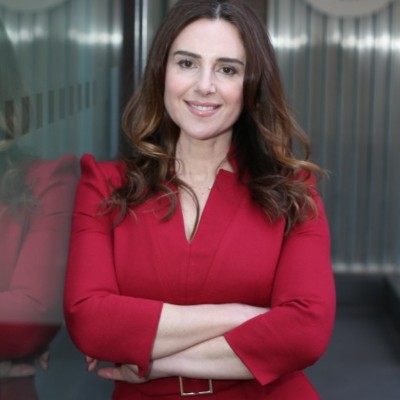
A note from Aleksandra
The narrative is being written. Make sure it's yours.
Every senior brand I spoke to through 2025 told me the same thing: my buyer is asking AI before they call me, and I've no idea what it's saying about me.
This is the biggest change in commercial visibility since the move from print to search. The names that anchor early will compound for years. We work with a small, hand-picked roster, and I take every conversation personally.
If you think your category is being decided in AI answers right now, I'd genuinely like to hear from you.
Why it compounds
Three campaigns a quarter. Each one builds on the last.
Authority isn't a single placement. We run three campaigns across each quarter, moved in a deliberate order, so the credibility you build in one carries into the next.
01
The individual
Known on stage and on podcasts, but missing from AI answers about the category. We make your name the one cited on its highest-intent questions, founder, executive or ambassador alike.
02
The brand
One of several in buyer research, with generic providers dominating. We move you from one of several to the answer senior buyers are given.
03
The work
Your product or method described loosely, cut off from your name. We anchor the three together so credibility flows across all of it.
Investment
Hands-on delivery. One straightforward fee.
A small, focused engagement run by a senior team. No tiers, no per-campaign add-ons, no scope surprises.
- Three campaigns a quarterEach built from a piece of your thought leadership, promoting up to three names and three priority links.
- Founder-led editorialThe anchor content AI systems can cite, written to carry your authority.
- Earned media & distributionNative distribution and publisher relationships that put your name into trusted sources.
- A clear monthly noteWhat moved, where you now surface, what's next. Delivered to your inbox.
- On-page guidance for your teamA precise spec we hand over. We never need access to your site.
Start a conversation
Let's see where you stand.
Tell us the category you want to be the answer for, and share the appearance or piece we'd build around. Aleksandra reads every enquiry personally and replies within one business day.

LET’S CONNECT
Customer satisfaction is paramount for Aleksandra King Agency, striving to exceed client expectations by delivering projects on time, within budget, and to the highest standards.